BRISTOL BRITANNIA XM496 PRESERVATION SOCIETY
Loss of the PrototypeThe aircraft that ended up on the Severn Estuary mudflats was not the first Britannia prototype, but the second prototype, registration Bristol Britannia 101 G-ALRX. The incident occurred on 4 February 1954, only a few weeks after the aircraft's first flight.
What happened?
The aircraft was conducting a test and demonstration flight from Filton Aerodrome and carried Bristol engineers, company executives, and representatives from Dutch airline KLM. During the flight, the No. 3 Bristol Proteus engine suffered a reduction-gear failure. The engine was shut down, restarted, and then catastrophically failed, causing a fire that could not be extinguished. As a precaution, the crew also shut down the adjacent No. 4 engine.
As the aircraft returned toward Filton, there were fears that the fire might weaken the wing's main spar. Rather than risk losing the wing while attempting to reach the runway, chief test pilot William 'Bill' Pegg elected to make an emergency wheels-up landing on the exposed mudflats of the Severn Estuary near Severn Beach.
The landing
The belly landing was remarkably successful. All 13 people aboard survived, with only minor injuries reported. The thick mud helped absorb the impact and even smothered much of the fire. Contemporary accounts often describe it as a remarkable feat of airmanship.
Why was the aircraft lost?
Although the landing itself caused relatively limited structural damage, the aircraft was stranded in a tidal estuary. Salt water and mud contamination made recovery uneconomic, and the airframe was declared a write-off. The accident investigation traced the original failure to the Proteus engine reduction gear; the gearbox design was subsequently modified.
Legacy
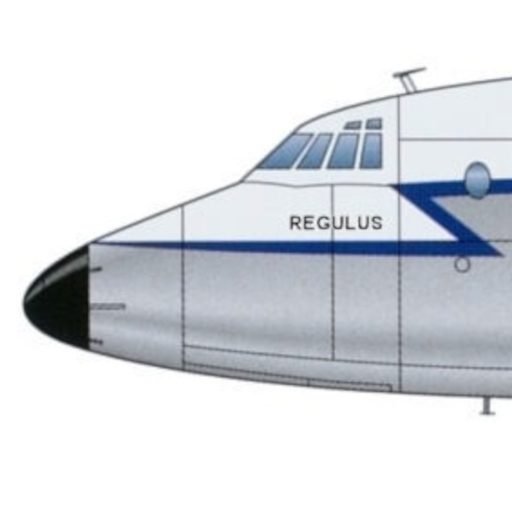
The event became known locally as the "Miracle on the Severn" because everyone survived. The forward fuselage of G-ALRX was preserved and can now be seen at Aerospace Bristol, where it serves as a reminder of one of the most dramatic episodes in British civil aviation development.
An interesting detail is that this crash, along with other development problems affecting the Proteus engines, contributed to major delays in the Britannia programme. By the time the aircraft finally entered widespread service, jet airliners were beginning to dominate long-haul routes, limiting the commercial success of what was otherwise an excellent turboprop airliner